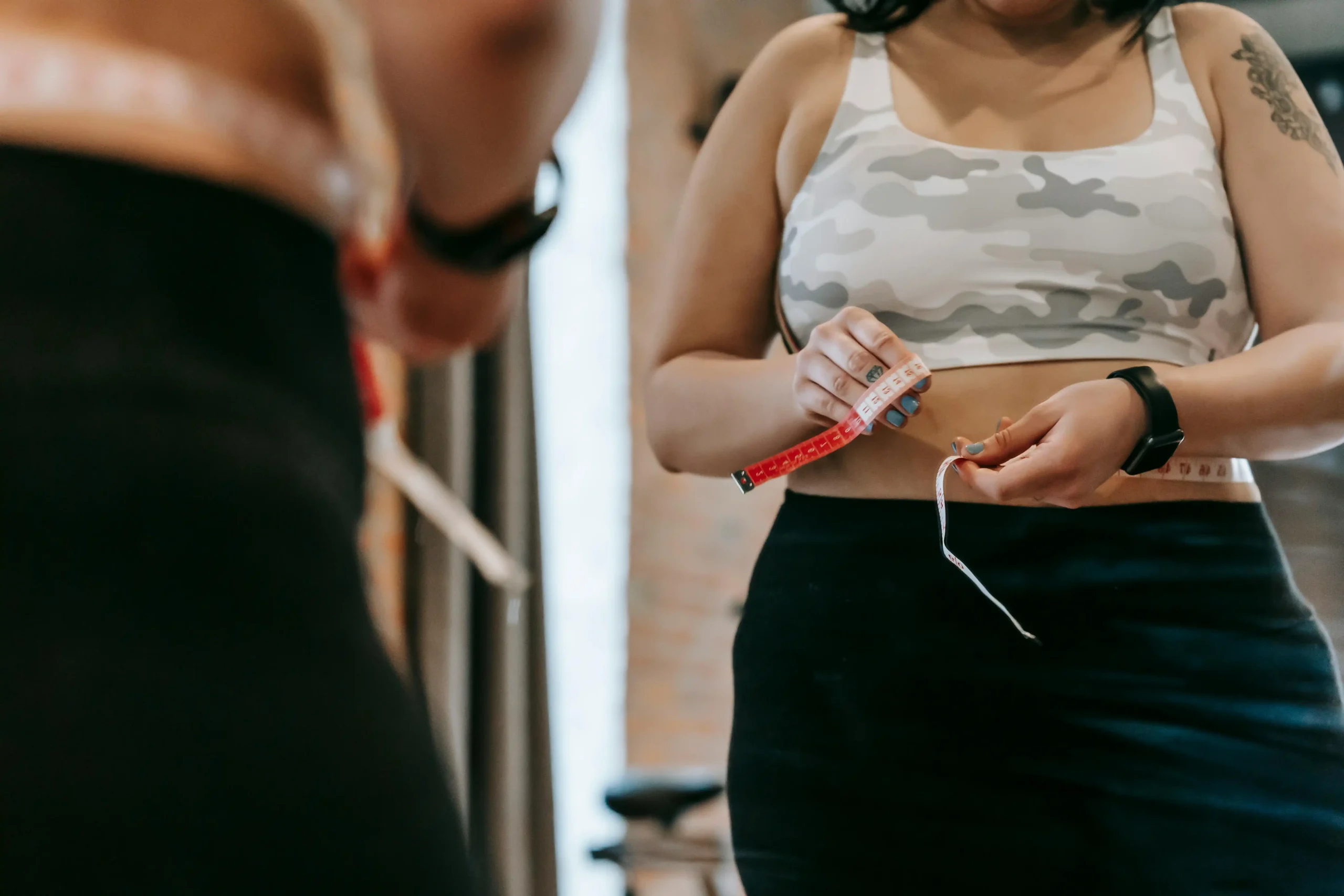
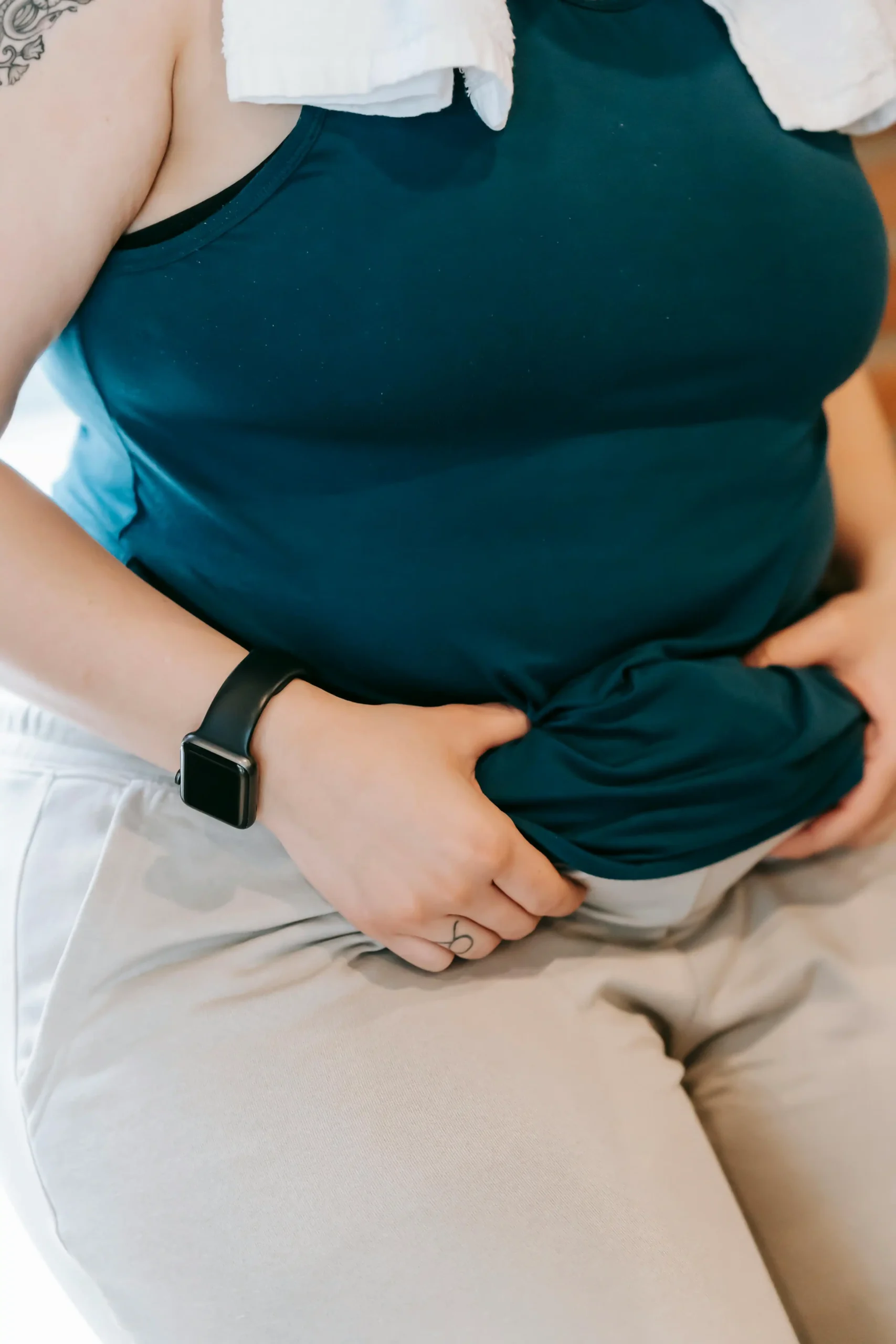
Lipedema surgery is a specialized procedure designed to remove abnormal fat deposits caused by lipedema, a chronic condition that most commonly affects the legs and sometimes the arms. Using advanced liposuction techniques, the surgery aims to reduce pain, improve mobility, and restore more balanced body contours.
Lipedema surgery typically involves specialized liposuction techniques that carefully remove diseased fat tissue while protecting lymphatic structures. The procedure is performed through small incisions using cannulas to gently extract fat from affected areas such as the legs, hips, or arms. The goal is to reduce pressure, improve comfort, and restore a more natural body contour.
Good candidates for lipedema surgery are individuals diagnosed with lipedema who experience persistent fat accumulation, discomfort, or limited mobility that does not respond to diet or exercise. Candidates should be in good overall health and have realistic expectations about the outcomes of the procedure.
Lipedema surgery can help relieve pain, reduce heaviness in the affected limbs, and improve mobility and quality of life. By removing abnormal fat deposits, the procedure may also restore more balanced body proportions and help patients feel more comfortable in daily activities.
Disclaimer: These photos are published for illustrative purposes only to provide information on the nature of the procedure. They do not constitute a guarantee of results.
Years of Combined Experience
0+
Treatments Performed
0+
Client Satisfaction
0%+
Advanced Treatments
0+
Frequently Asked Questions
What is lipedema surgery?
Lipedema surgery is a procedure that removes abnormal fat deposits associated with lipedema to reduce symptoms and improve body contour.
How is lipedema different from regular fat?
Lipedema fat is resistant to diet and exercise and often causes pain, tenderness, and easy bruising, distinguishing it from normal body fat.
What technique is used during lipedema surgery?
Specialized liposuction methods are used to gently remove diseased fat while preserving the surrounding lymphatic structures.
What areas can be treated with lipedema surgery?
Common treatment areas include the thighs, hips, buttocks, calves, and sometimes the arms.
How long does recovery take?
Recovery varies by patient but usually involves swelling and the use of compression garments for several weeks while healing progresses.
Are the results permanent?
Once lipedema fat is removed, it generally does not return in the treated areas, although maintaining a healthy lifestyle is recommended.
Does lipedema surgery cure the condition?
While surgery can significantly reduce symptoms and improve quality of life, lipedema is a chronic condition and may require ongoing management.
Request a Consultation
Take the first step toward your surgical goals with a confidential, personalized consultation.
Seeking a non-surgical glow or skin refresh?
Get smoother, brighter, younger looking skin with no surgery required. Our expert aesthetic treatments deliver natural results with minimal downtime.
We use cookies to ensure that we give you the best experience on our website. If you continue to use this site we will assume that you are happy with it.