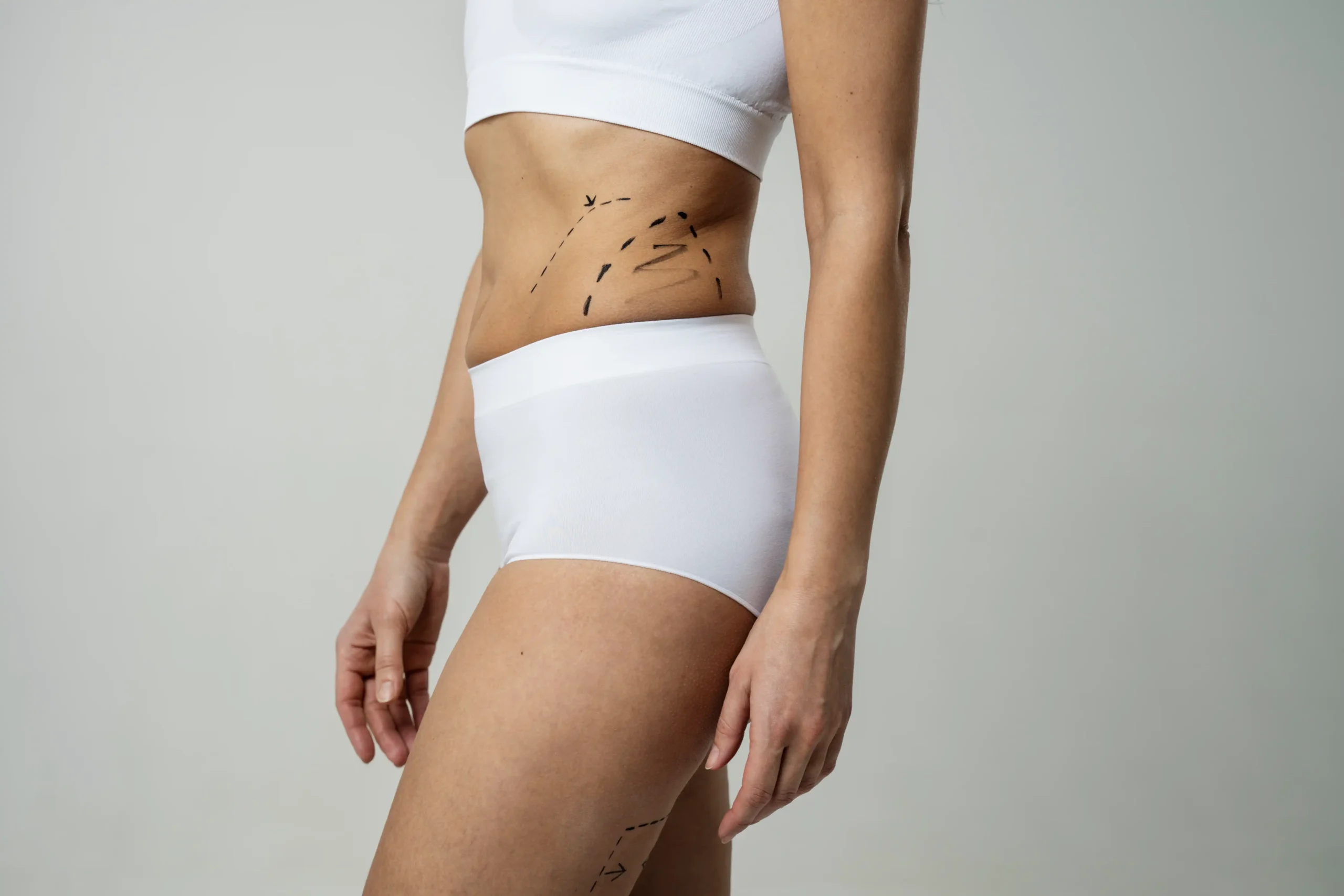
Rib remodeling is a body contouring procedure designed to refine the waistline by reshaping the lower ribs to create a slimmer, more defined silhouette. Rather than removing ribs, the technique typically modifies their position or contour to enhance the natural proportions of the torso.
Rib remodeling surgery reshapes the lower ribs to narrow the waist and improve body proportions. Depending on the technique used, the surgeon carefully adjusts the rib structure through small incisions while preserving surrounding tissues. The procedure is performed under anesthesia and focuses on achieving a natural-looking, balanced contour.
Good candidates for rib remodeling are individuals seeking a more defined waistline and improved body proportions. Candidates should be in good overall health, have realistic expectations about the results, and consult with an experienced surgeon to determine whether the procedure is appropriate for their anatomy and aesthetic goals.
Rib remodeling may be considered by individuals who want to enhance the shape of their waist and achieve a more contoured silhouette. The procedure can help create a balanced figure and improve body confidence by refining the natural proportions of the torso.
Disclaimer: These photos are published for illustrative purposes only to provide information on the nature of the procedure. They do not constitute a guarantee of results.
Years of Combined Experience
0+
Treatments Performed
0+
Client Satisfaction
0%+
Advanced Treatments
0+
Frequently Asked Questions
What is rib remodeling surgery?
Rib remodeling is a cosmetic procedure that reshapes the lower ribs to create a slimmer waistline and improve overall body proportions.
Does rib remodeling remove ribs?
In most modern approaches, the ribs are reshaped or repositioned rather than completely removed, helping maintain structural support while refining the waist.
Who is a good candidate for rib remodeling?
Candidates are generally healthy individuals seeking a narrower waist and improved torso contour who have realistic expectations about the results.
How long does the surgery take?
The procedure typically takes several hours and is performed under anesthesia in a surgical setting.
What is the recovery process like?
Recovery varies by patient but usually includes a period of rest, temporary swelling, and gradual return to normal activities over several weeks.
Are the results permanent?
Results are generally long-lasting once healing is complete, especially when patients maintain a stable weight and healthy lifestyle.
Request a Consultation
Take the first step toward your surgical goals with a confidential, personalized consultation.
Seeking a non-surgical glow or skin refresh?
Get smoother, brighter, younger looking skin with no surgery required. Our expert aesthetic treatments deliver natural results with minimal downtime.
We use cookies to ensure that we give you the best experience on our website. If you continue to use this site we will assume that you are happy with it.